Product development
From concept and mechanical design to prototyping, testing and product launch.
- resin 3D printers and accessories
- user workflow and service thinking
- design decisions grounded in production reality
A focused portfolio covering resin 3D printers, post-processing systems, prototype machines, CNC builds and practical automation. The common thread is full-stack technical execution: mechanics, electronics, production thinking and hands-on testing.
This portfolio shows a broad but consistent type of work: compact desktop printers, post-processing systems, larger production-oriented platforms and custom-built workshop machinery. The strongest value is the ability to move from concept to functional hardware with a practical understanding of manufacturing, workflow and real use.
From concept and mechanical design to prototyping, testing and product launch.
Complete machine builds including frames, tables, motion systems, electronics and workshop-made parts.
Control logic, touch interfaces, experimental automation modes and machine-side software.
Each project keeps the same structure for clarity: title, short context and the correct visual placed below without cropping. Public links are kept where available.
The beginning of the resin product line: a compact DLP platform introduced in two variants with different XY precision and a clear focus on high-detail output.
Public reference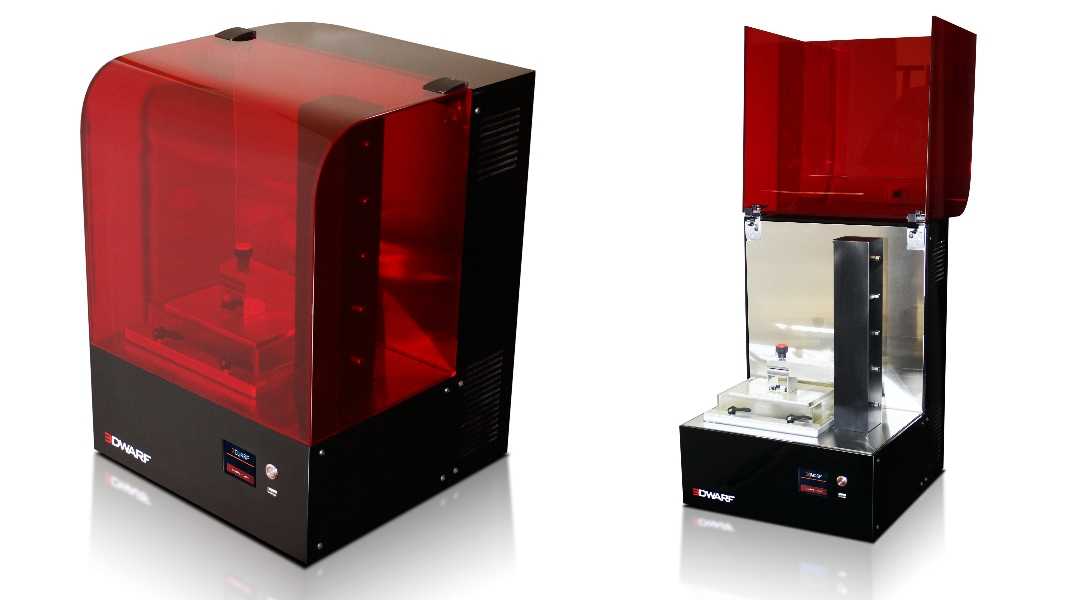
A smaller, accuracy-focused version designed for fine-detail printing and a compact footprint. The portfolio notes a 40 × 80 × 150 mm build volume and a standard 0.025 mm layer height.
Video reference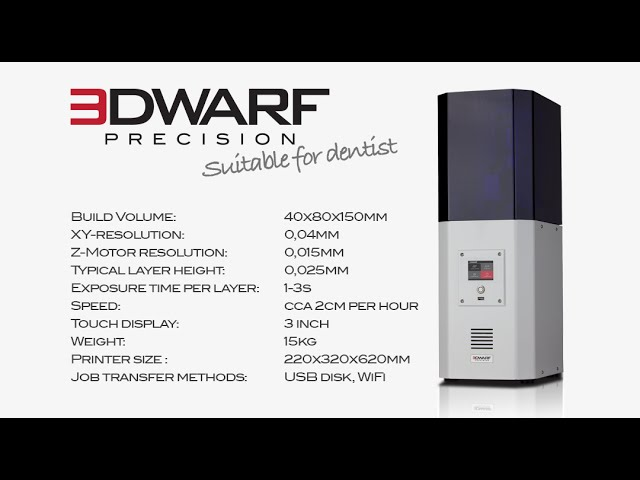
The third generation moved to LED curing through a 2K display. Compared with earlier machines, it brought a more compact body, lower energy demands and uniform sharpness across the print area.
Public reference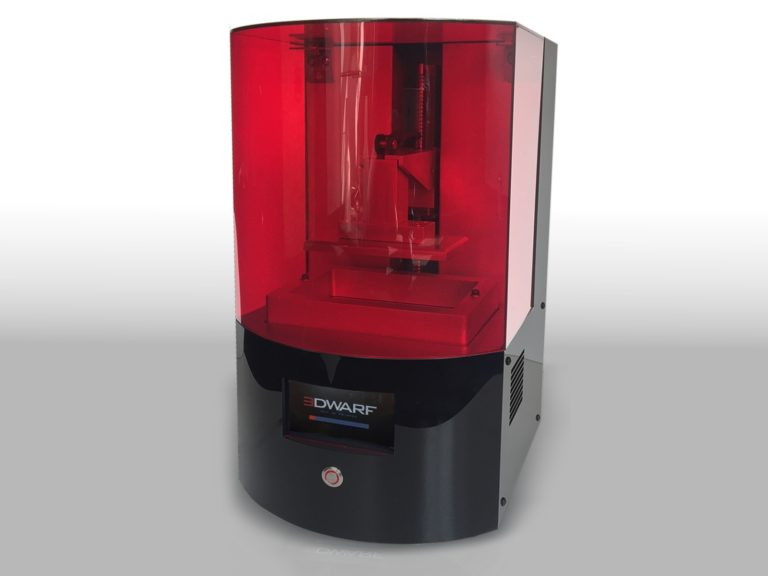
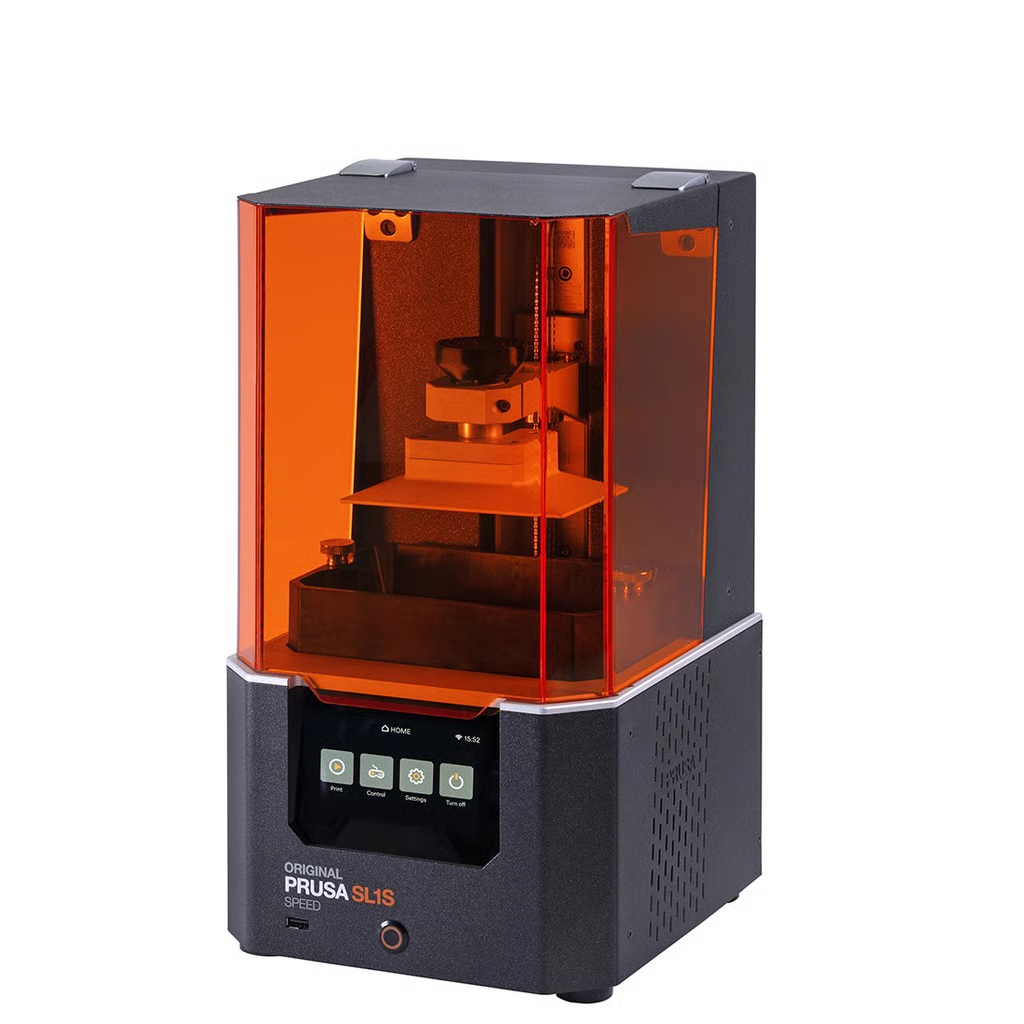
A transition from smaller development batches toward a broader product ecosystem. The SL1 represents the shift from a single machine to a more complete resin workflow.
An all-in-one post-processing unit covering resin preheating, washing, drying and curing. It complements the printer by extending the workflow beyond the print itself.
Public reference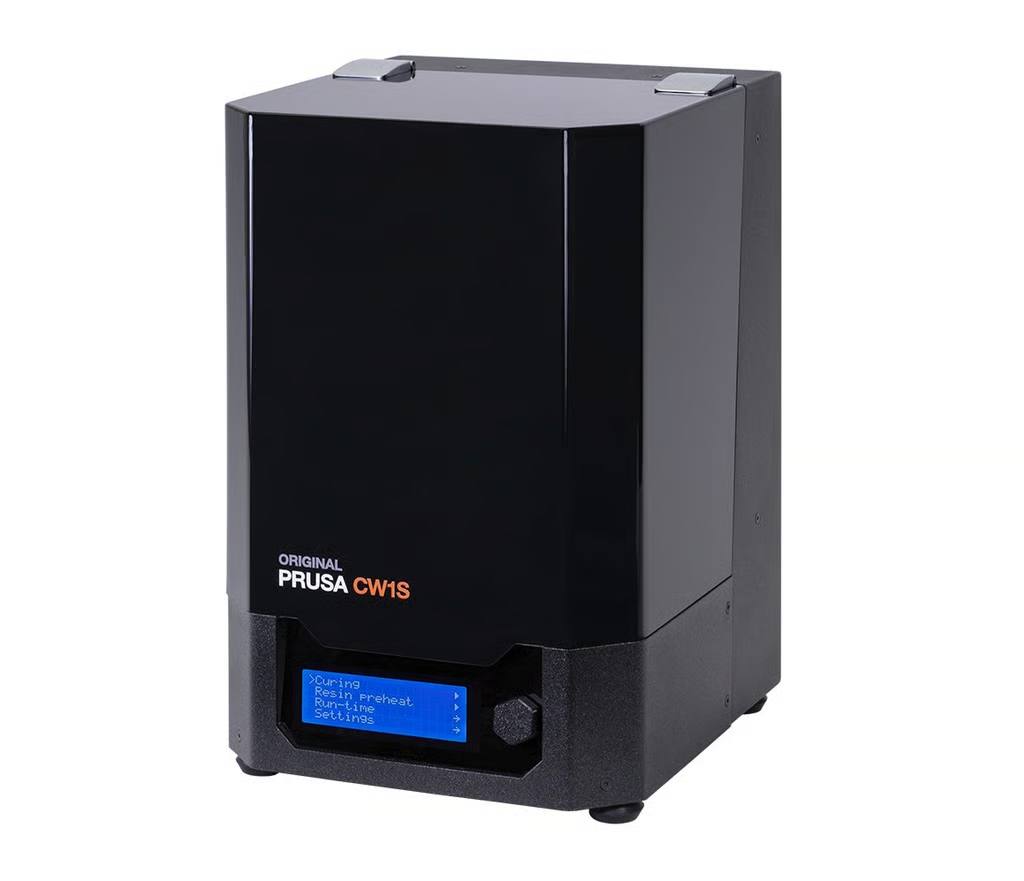
A more mature resin system with higher throughput and detailed output. The public specification highlights a 127 × 80 × 150 mm print volume, 0.01 mm minimum layer height and USB, Wi-Fi and LAN connectivity.
Public reference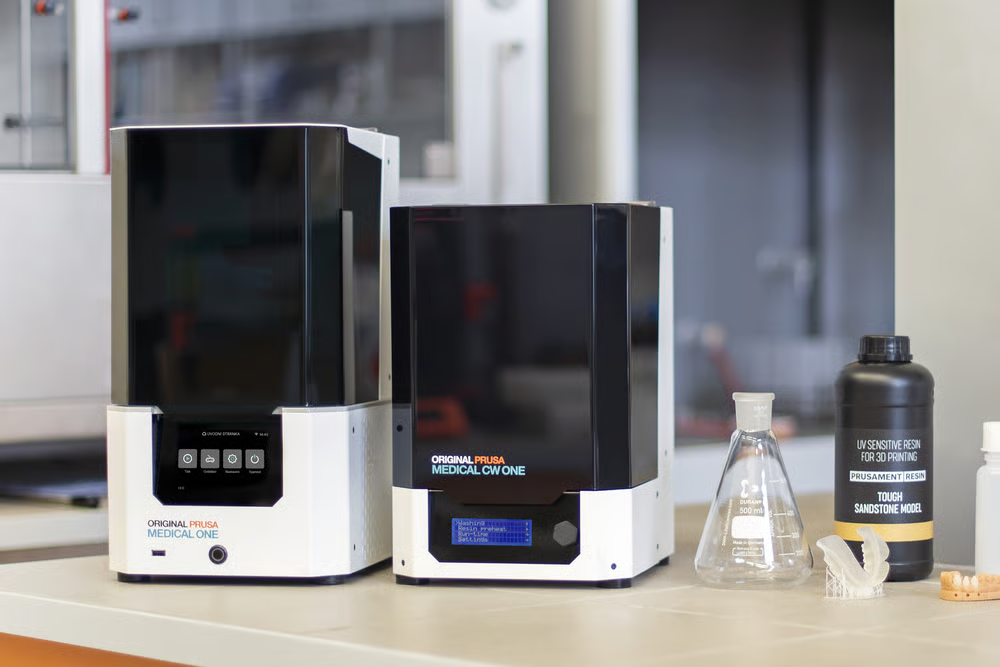
The portfolio also includes experience with application-driven resin systems for medical and dental use, where repeatability, speed and workflow reliability matter as much as raw print quality.
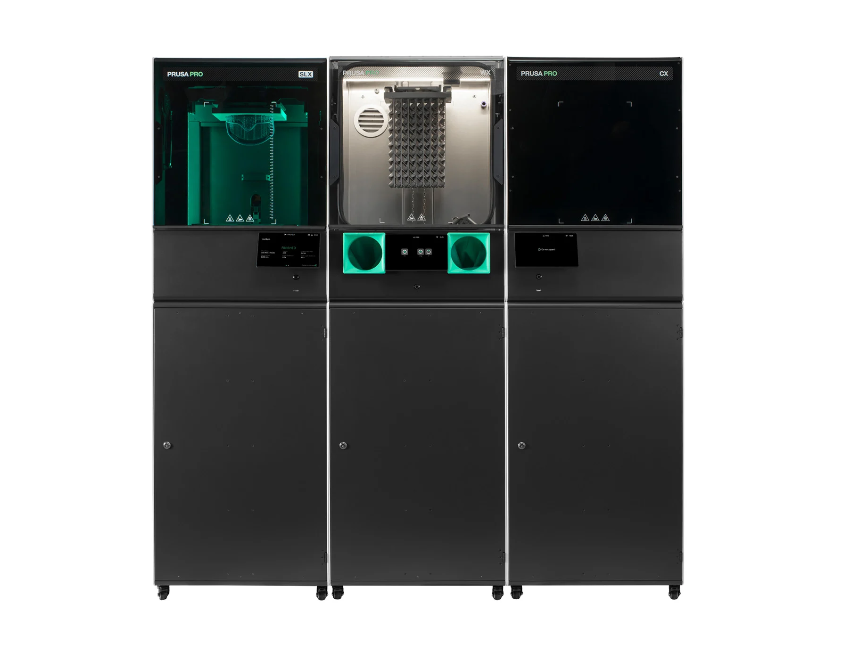
Public referenceA next-generation professional MSLA platform aimed at demanding applications. Public materials describe a 220 × 125 × 400 mm build volume, 30-micron XY resolution and a dedicated washing and curing ecosystem.
Public referenceThe strength of the portfolio is not just individual products, but repeated execution across the full technical stack: concept, mechanics, electronics, prototyping, production constraints, post-processing and operator workflow.
The updated source material also points to real market context rather than purely experimental work: approximately 100 units sold across the DWARF generation and roughly 10,000 units across the SL1, CW1, SL1S, CW1S and medical-related platforms.
That gives the portfolio a useful balance between product design, engineering depth and evidence of real deployment.
Beyond the main 3D-printing platforms, the portfolio includes workshop machines built for internal use, prototyping and test workflows.
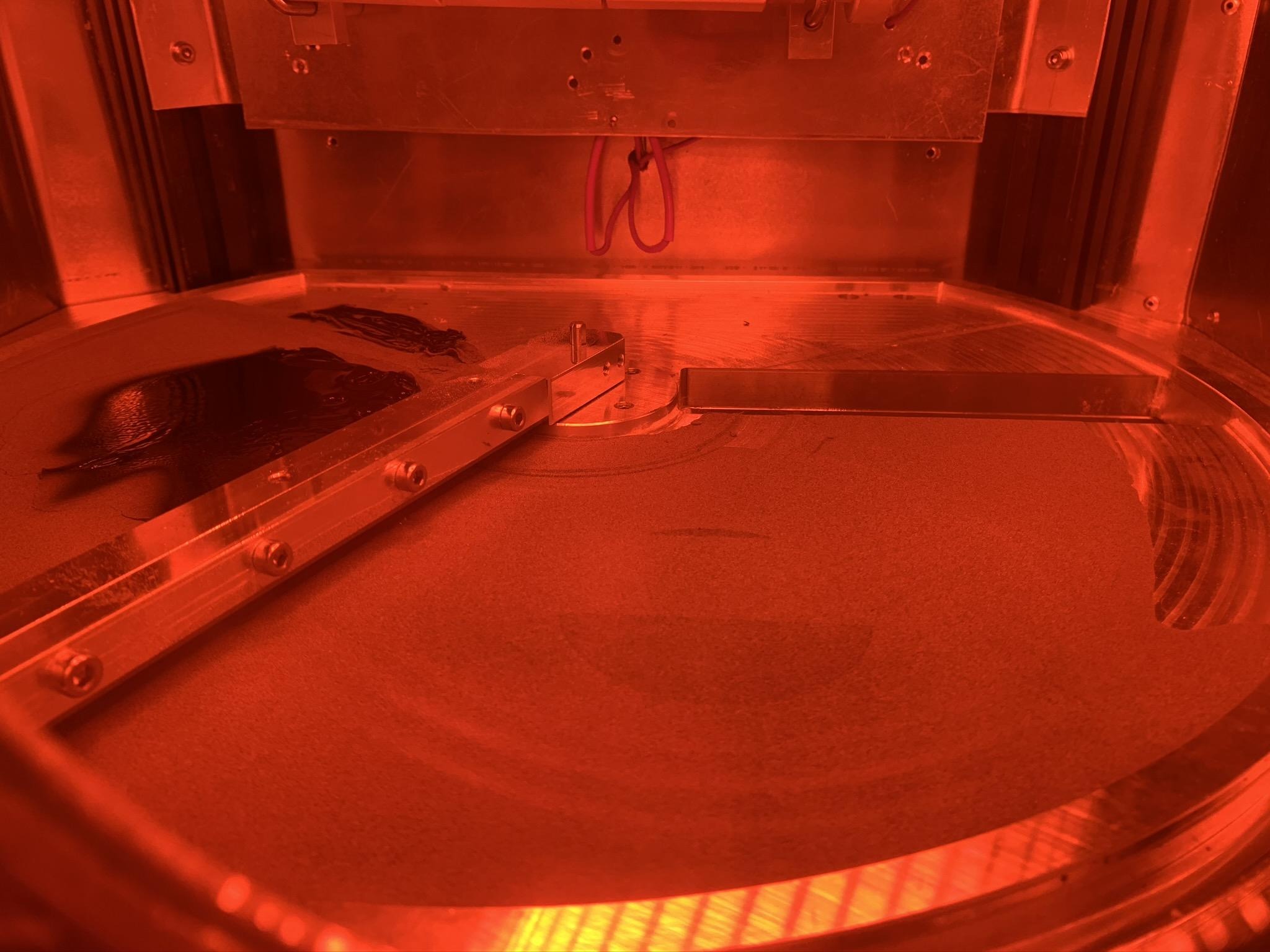
A development-oriented SLS machine built for internal experimentation, materials learning and process testing.
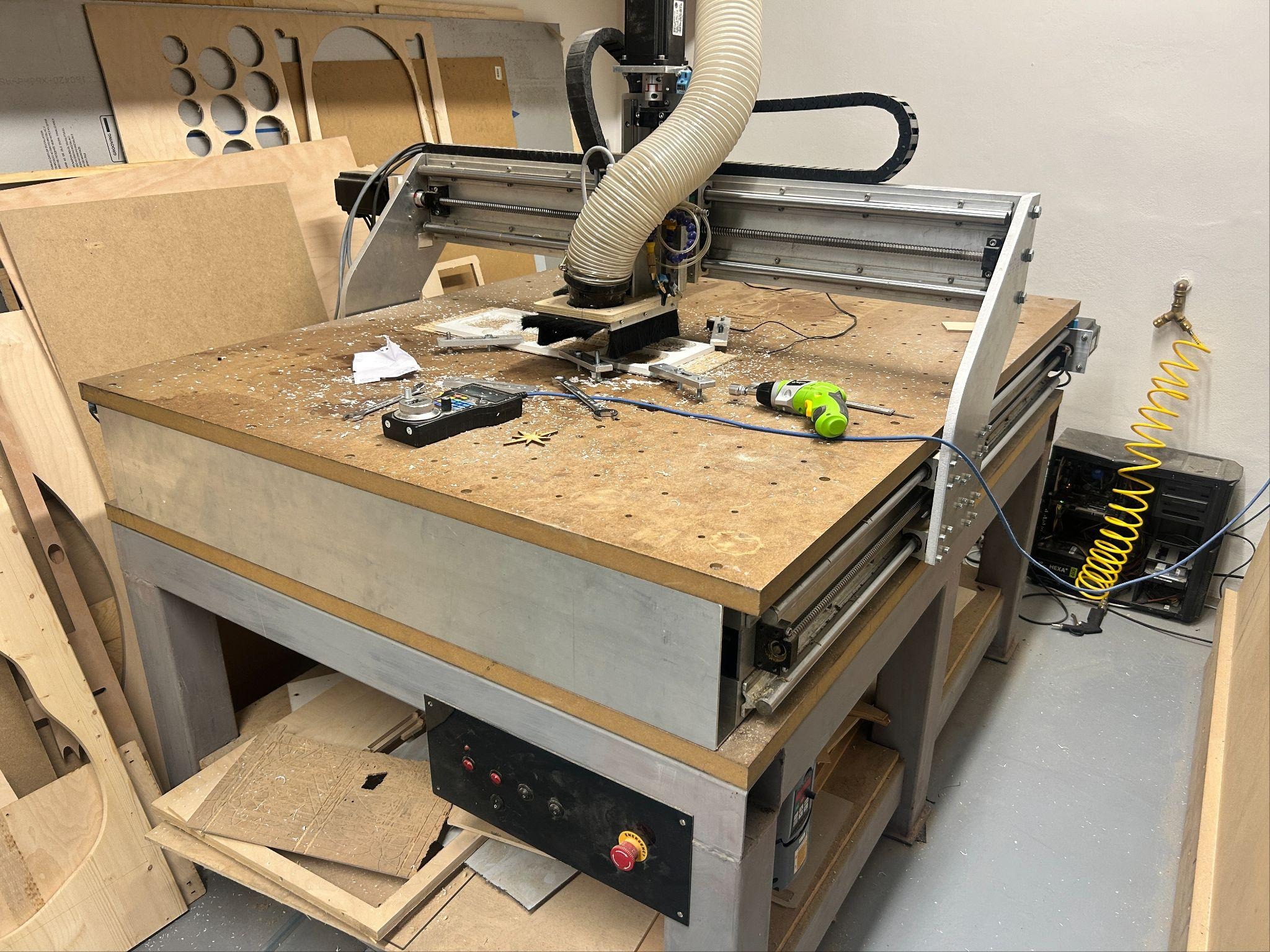
A personally built machine used first for manufacturing covers for DWARF printers and later for producing parts for prototypes. The build includes the frame, table and electronics.
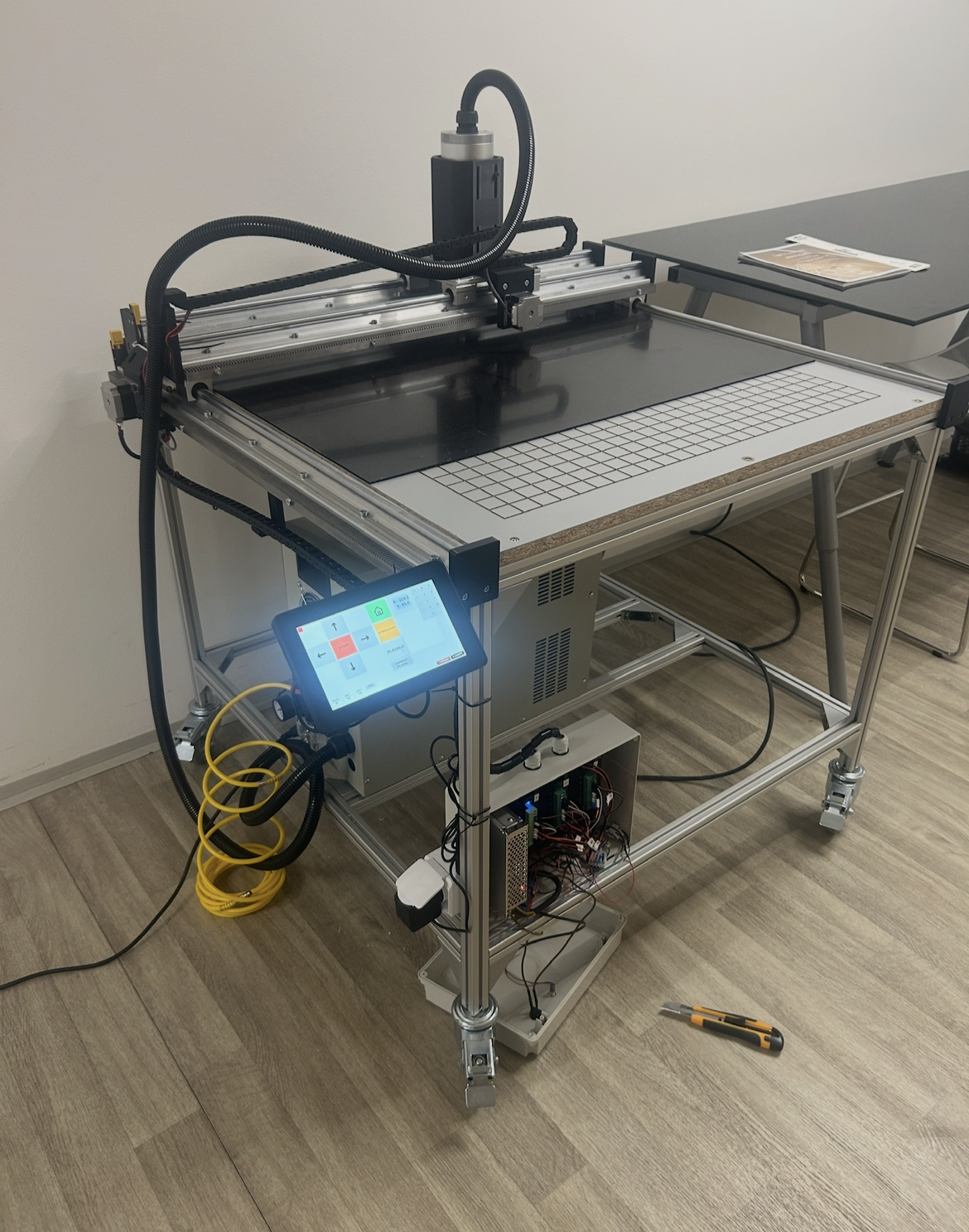
A full machine build including electronics, suction table, touch control display and automatic modes driven through custom control logic.
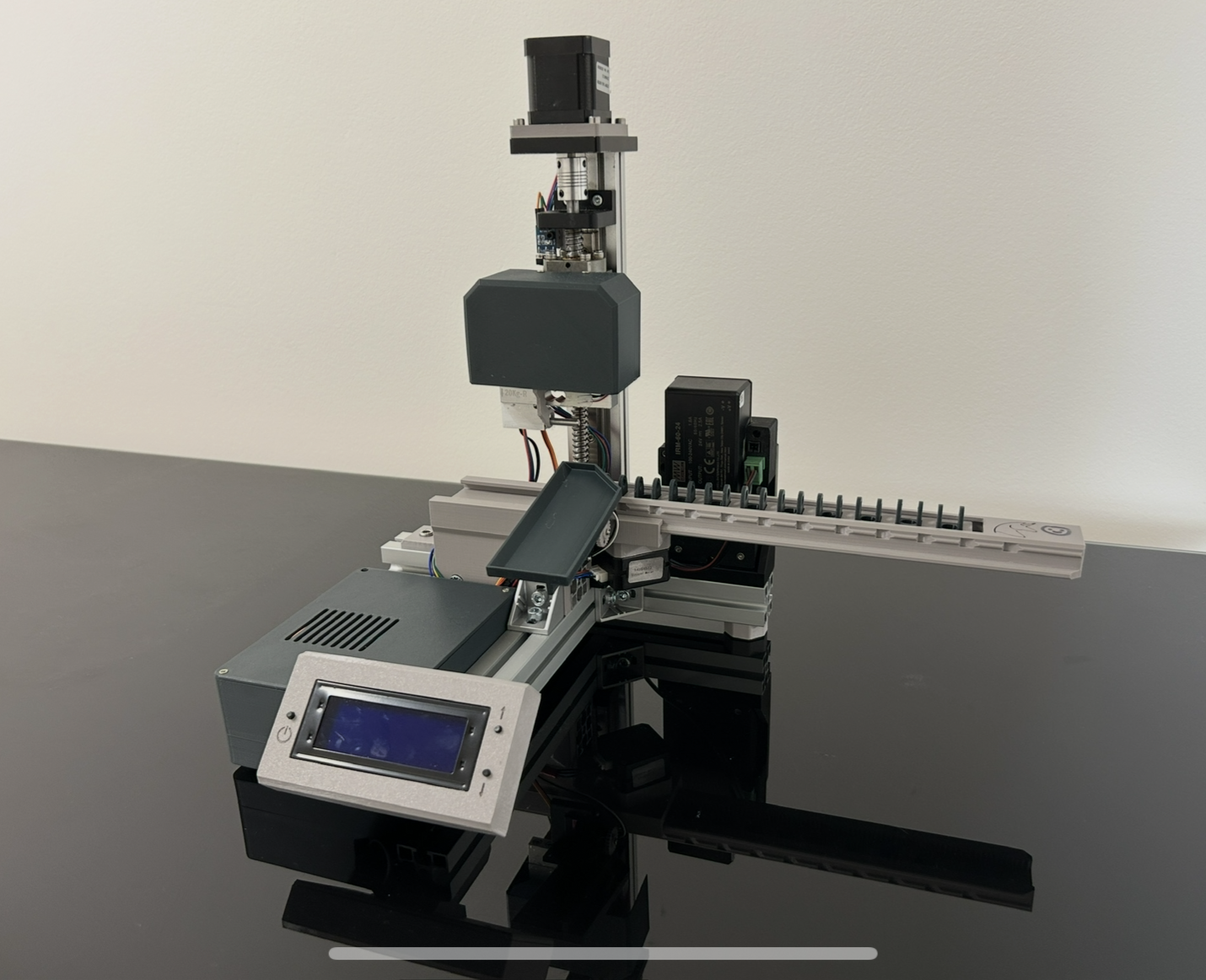
A low-cost machine created for accurate adhesion testing. The brief emphasized speed of development and minimal cost, using spare parts together with 3D-printed elements.